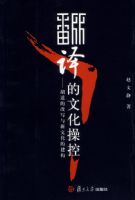
内容简介
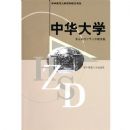
本书是翻译理论模式与翻译案例互动的研究。它以翻译学文化派的主要代表人物Andre Lefevere的改写理论为框架,以胡适在新文化运动时期的代表作和译作为案例,把胡适对西方文学——尤其是Ezra Pound和 Henrik Ibsen的作品——的改写、翻译置于历史、文化的大背景下,论证这些作品在多大程度上是对西方文学理论和作品的翻译与改写。从社会、政治、接受美学等角度分析接受环境的主流文化和意识形态如何操控材料的取舍、内容的过滤、成品的接受。还涉及到转译、重译、模仿等形式。
多种形式的改写在我国现代史中,尤其在新文化运动这一重要历史转型期对建构新文学和新文化有着与狭义的翻译同等重要的作用。然而,这些形式上不明显的翻译还没有真正成为翻译研究的对象。本书首次从改写角度研究胡适对新文化运动的贡献。强调他的改写翻译的研究价值和对文学变革的影响。富含新意。作者在利用改写理论解释我国翻译现象的同时,也对该理论进行了批判,这对建设和丰富我国翻译理论有着积极的意义。
作者在英国曼彻斯特大学翻译与跨文化研究中心获得博士学位,本书遵循英伦学术规范,使用地道的学术英语,对材料的印证缜密、论证翔实。文中凡引用或转述别人的观点或中外文史资料都详细注明出处, 加上大量的脚注和书后的参考书目,为同类或后续研究者提供了最新且又丰富的参考资料源。适用于翻译学、比较文学和比较文化专业的研究人员,特别是翻译学研究生、高校英语教师和英语专业高年级学生。
国际著名翻译理论家Mona Baker教授为本书作了序。
 目录
目录
TABLE OF CONTENTS
Foreword
前言
Abstract
Chapter1:Introduction
1.1 Rationale for Focusing on Hu Shi and the New Culture Movement
1.2 Issues Reflected in the Neglect of Hu's Rewritings
1.3 Overview of the Book
1.3.1 Structure
1.3.2 Clarification of Terms and Presentation
Chapter2:Rewriting Theory
2.1 The Theoretical Context Within and Outside Translation Studies
2.1.1 The Shift from a Source-oriented to a Target-oriented Approach
2.1.1.1 Literary Criticism
2.1.1.2 Even-Zohar's Polysystem Theory
2.1.1.3 Hermans' Anthology of Translation Studies
2.1.1.4 Holmes'Concept of Translation Sociology
2.1.2 The Broadening of the Concept of Translation
2.2 Rewriting Theory:An Overview
2.2.1 The Control Factors
2.2.1.1 The Concept of Control Factors
2.2.1.2 Assessing the Notion of Control Factors
2.2.2 Forms of Rewriting
2.2.2.1 Assessing the Classification
Chapter3:Hu Shi Canonised:The Interaction Between Ideology,Poetics and Patronage
3.1 The Hu Shi Canon
3.2 The Macro-Ideological Climate
3.2.1 The Political Situation
3.2.2 Official Attitudes Towards Learning from the West
3.2.3 Reform in Education
3.3 Hu's Seminal“EightDon'ts”,its Nature as Rewriting and its Impact on Literary Circles
3.3.1 The Essay
3.3.2 Hu's Essay as Rewriting
3.3.2.1 The General Influence of the Renaissance Model
3.3.2.2 The Influence of Pound's“A Few Don'ts”
3.3.3 The Impact on Chinese Language,Literature and Translation
3.4 Institutional Settings and Patronage
3.4.1 Hu Shi and New Youth
3.4.2 Hu Shi and Beijing University
3.4.3 Support from Professionals
3.5 Conclusion
Chapter4:Hu Shi's Rewritings of Ibsen and Their Impact on Chinese Society
4.1 Ibsen as Seen in the Eyes of His English Rewriters
4.1.1 Major Sources Through Which Hu Shi Accessed Ibsen
4.1.2 William Archer's Translation of Ibsen:Authoritative and Poetics-oriented
4.1.3 George Bernard Shaw's Interpretation of Ibsen
4.2 Hu Shi's Critical Essay“Ibsenism”
4.2.1 Production of the Essay
4.2.2 Some Textual Analysis of the Essay
4.2.3 Ibsenism or Hu-Shi-ism?
4.2.4 Hu's Filtering
4.2.5 Conclusion
4.3 Hu Shi's Imitation of Ibsen:Life s Greatest Event
4.3.1 Hu's One-act Play
4.3.2 The Ideological and Poetological Needs of the Target Culture
4.3.3 Comparative Analysis of Ibsen's and Hu Shi's Plays
4.3.4 Conclusion
Chapter5:Contextual and Textual Analyses of Hu Shi's Translations
5.1 Choice of Source Cultures
5.1.1 Indirect Translations
5.1.2 Russian and French Short Stories
5.1.3 The Impact of Hu's Choices on Chinese Literary Creativity and Translation Output
5.2 Generic Choices
5.2.1 Introducing General Trends in World Literature
5.2.2 Lessons Drawn From Liang Qichao's Failure in Advocating“Political Fiction”
5.2.3 Introducing Innovative Writing Techniques
5.3 Thematic Choices
5.3.1 Patriotism in the Face of Foreign Invasions
5.3.2 Individualism and Women's Position in the Family
5.3.3 Opium and the Apathetic State of the Population
5.3.4 Mirroring the Life of the Oppressed and the Victimised
5.4 Hu's Translation'S trategies
5.4.1 Domesticating Imported Elements
5.4.2 Contextualising and Historicising Foreign Elements for Chinese Readers
5.4.3 Interventions in and around the Text
5.5 Conclusion
Chapter6:Conclusion
Bibliography
Appendix1
Appendix2