|
Part I Required Reading
1 Error Handling
2 Working with Characters and Strings
3 Kernel Objects
Part II Getting Work Done
4 Processes
5 Jobs
6 Thread Basics
7 Thread Scheduling, Priorities, and Affinities
8 Thread Synchronization in User Mode
9 Thread Synchronization with Kernel Objects
10 Synchronous and Asynchronous Device I/O
11 The Windows Thread Pool
12 Fibers
Part III Memory Management
13 Windows Memory Architecture
14 Exploring Virtual Memory
15 Using Virtual Memory in Your Own Applications
16 A Thread’s Stack
17 Memory-Mapped Files
18 Heaps
Part IV Dynamic-Link Libraries
19 DLL Basics
20 DLL Advanced Techniques
21 Thread-Local Storage
22 DLL Injection and API Hooking
Part V Structured Exception Handling
23 Termination Handlers
24 Exception Handlers and Software Exceptions
25 Unhandled Exceptions, Vectored Exception Handling, and C++ Exceptions
26 Error Reporting and Application Recovery
Part VI Appendixes
A The Build Environment
B Message Crackers, Child Control Macros, and API Macros
Index
| 【作者介绍】 |
|
|
|
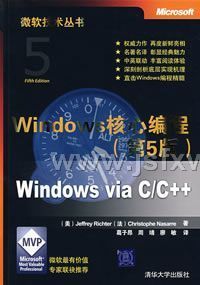
Jeffrey Richter,全球享有盛誉的微软技术专家,著名技术咨询和培训公司Wintellect创始人之一,MSDN Magazine杂志特邀编辑。多年来,他担任微软各开发团队顾问,参与了微软的许多关键产品包括各版本Windows、Visual Studio、Microsoft Office和.NET框架的设计和编程。他撰写了一系列著作,包括本书和《深入理解.NET》(第2版?英文版,人民邮电出版社,2008),都堪称技术图书的典范,影响了一代Windows程序员,并因此荣获微软公司社区最高技术荣誉“微软软件传奇人物”(Software Legend)称号。
Christophe Nasarre,知名技术专家。MSDN Magazine杂志专栏作者。目前在著名商业智能公司Business Obiects任开发经理,负责开发桌面和基于Web的商业智能解决方案。他擅长Windows和.NET底层开发,曾经编写过许多著名的底层工具。 | |