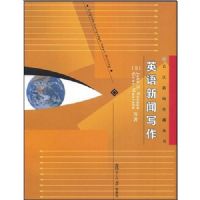
内容简介
如何写作地道的英语新闻?
这是困扰了国内新闻,教育界多年的问题:很难找到既精通英语又熟悉新闻的理想作者。
《英语新闻写作》解决了这一难题。它由六位美国资深记者,耗时九年写一就。是迄今为止,唯一一本将新闻报道规律和英语表述技巧相结合的教科书。
《英语新闻写作》分三部分:第一部分对英语新闻道理念、新闻写作一般规律作了详尽阐述;第二部分侧重专业新闻的写作原则和技巧,包括特稿、财经新闻写作、体育新闻写作,以及电媒体写作,都得到了细致入微的解释;第三部分将英语新闻写作的各类资源作了梳理,并给出了英文表达的通则。
《英语新闻写作》所涉及的大量案例,都是作者自己的新闻作品,分析精辟深刻,极有价值。
《英语新闻写作》以纯英文出版,只保留必要的中文简介是因为《英语新闻写作》作者都相信:写作地道的英语新闻,必须首先学会用英语思考。
本文作者
John H.Noonan,汕头大学英语新闻项目副总监,并长期教授“英语媒介入门”和“基础英语新闻写作”。2002年,获哥伦比亚大学新闻专业硕士学位,此后一直为自由撰稿和摄影师、纪录片制作人等。Noon还拥有TESIL(向说其他语言的人讲授英语的教师)资格证书。拥有十多年教学经验。
Gene Mustain,香港大学新闻传播与研究中心的新闻报道和写作项目主任,他负责教授本科生和研究生。有35年的媒体工作经验,在《纽约日报》和《芝加哥太阳报》长期任调查性报道记者和特派员。当过作家、记者和教师。他报道过许多全球性的重大新闻——从南非的种族隔离的终结到北爱尔兰的政治冲突,从德国的种族犯罪到法国的空难。
目录
序言
自序
第一部分 导论
第一章英语新闻的文化和历史
第二章新闻报道与写作指南
第三章新闻写作基础
第四章其他新闻写作的重要方面
第五章避免一般性错误
第二部分 导论
第六章特写报道:写读者喜爱的故事
第七章实时而永恒的特写报道
第八章财经新闻写作的艺术
第九章体育新闻
第十章 电台、电视和网络的新闻报道与写作
第三部分 导论
第十一章网站和资源
第十二章风格的要素
附录1《唐人街领袖的典礼》
附录2《唐人街教父》
……
序言
写这本书的灵感,源自香港大学兼汕头大学教授的陈婉莹女士。陈教授不仅是我的上司,更是我的良师益友。没有她的鼓舞,这本书的编写工作无法如此顺利地进行。她在美国英语新闻领域取得的成就,将激励中国学生胸怀大志、力争上游。
三年前,陈教授带领我来到汕头大学从事英语新闻的教学工作。当时,我对中国了解甚少,不知道等待我的将是什么。结果我在中国看到的是勤奋聪颖的学生,他们对知识的渴望及对英语的投入触动了我的心灵。谨将此书献给过去、现在和将来的学生。我希望,这本书将对你们有所帮助。
这本书是独特的:它作为一本学习指南,献给那些渴望阅读和采写英语新闻的中国学生。
随着中国在世界舞台地位的不断提升,中国有必要培养掌握国际语言的专业记者。2008年北京奥运会和2010年上海世界博览会日益逼近,对中国记者来说,具备操作英语媒体报道的能力不仅是有利的,更是必要的。鉴于英语新闻和信息全球化的重要性,这本书诞生于中国这一盛世。由于此书的内容及作者均颇具特色,它在教育出版界可谓创新。
据我所知,这本书是唯一的一本将新闻教学和非母语英语课程教学两种技巧综合叙述的教科书。市面上涌现了许多关于非母语英语课程或者英语作为外国语的课程教科书,也有许多新闻采写的教科书,却从未有一本书像这本书那样,尝试帮助中国人精通英语新闻。此书的六位著者,都具备多年教育中国学生的教学经验,并且写过多方面主题的文章:从“从事通讯员的第一天”到“中国学生怎样才可以写出更好的新闻导语”。
文摘
This meant that the new government had to respect peoples' right to free speech and newspapers' right to publish freely. The American people now had a greater right to free speech than many people in other places.
The countries of Europe followed. Many countries in Europe, if they had not already, developed laws protecting press freedom in the 19th and 20th centuries. By the late 1800s, Germany, France and other major European countries had laws protecting freedom of speech.
By the year 1900 in Britain, Parliament, the British law-making body, had named the press the Fourth Estate. The other three estates were the clergy, or religious leaders; the nobility, the upper classes of British society; and the commons, or common people. Calling the press the Fourth Estate was a way of recognizing its influence upon people's lives. (Journalism is still sometimes referred to as the Fourth Estate. )
Today, media in English-speaking western countries have a high degree of freedom to publish and broadcast the news. This freedom has grown out of protections in law for the press and out of people's belief that the press should be free of government control. An Assumption Based on History
From this history, it is safe to assume that most people in the United States and most western countries believe everyone has the right to free speech. Many believe that the press should also be able to publish what it wants; again, in many countries, the idea is so important that it is guaranteed under law.
This idea of a free, independent press influences the content and style of English-language news in America. People in western countries generally accept the idea that free speech includes the right to discuss issues and ideas that are controversial or unpopular.
This contributes to a culture in which media discuss subjects that are often uncomfortable or unpleasant, both for local communities and the larger society.