内容简介
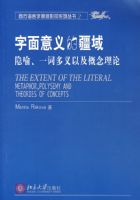
《字面意义的疆域:隐喻、一词多义以及概念理论》主要研究隐喻、多义性与概念结构的关系。作者采用叙述方式,主张重新思考有关字面意义及其与概念结构关系的标准假设。作者采用神经心理学和心理学的资料,支持多义性属于词汇层而不是概念层的观点,因而向某些在认知语言学、词汇语言学和分析哲学的框架内的隐喻和多义性的基本研究工作提出挑战。
 目录
目录
Preface
1 Introduction:On the Nature of the Literal.Metaphorical Distinction
2 Metaphor in Cognitive Linguistics
2.1 The cognitive linguistics revolution
2.2 Experientialism and conceptual organization
2.3 Reasons to take experientialism seriously
2.4 Cognitive semantics and the literal.metaphorical distinction
2.5 Some problems for the philosophy of experientialism
2.6 Adjectival polysemy in the experientialist framework
3 The‘Hot’Polysemy
3.1 Why neurophysiology matters to semantics
3.2 The capsaicin receptor
3.3 Are hot peppers‘hot’for everyone?
3.4 The pain pathway
3.5 The standard assumption and the‘hot’polysemy
4 Across Sensory Modalities
4.1 Bright sounds and loud lights
4.2 Seeing sounds and tasting shapes
4.3 How different are synaesthetes and non.synaesthetes?
4.4 Cross.modal associations and synaesthetic metaphors
4.5 Synaesthetic adjectives and the standard assumption
4.6 The no.polysemy view of conceptual structure
4.7 How could have psychologically primitive concepts come abolJt?
5 Double.Function Terms
5.1 Apuzzle
5.2 Asch on double.function adjectives
5.3 Discussing Asch’S research:cross.linguistic studv
5.4 Conceptual atomism
5.5 Discussing Asch’S research:language acquisition study
6 Double.Function Terms Again
6.1 Adjectival polysemy in psycholinguistic research
6.2 Discussing Williams' results
6.3 The processing of alternative meanings by cerebral hemispheres:the beginnings
6.4 The processing of alternative meanings by cerebral hemispheres:later studies
7 Words and Concepts
8 Back to Cognitive Semantics
8.1 Sweetser's mind.as.body metaphor
8.2 Enter criticisms
9 Polysemy in Lexical Semantics
9.1 Semantics and conceptual structure:the beginnings
9.2 Polysemy and conceptual structure
9.3 The generative lexicon
9.4 The disquotational lexicon and the problem of polysen
10 The No.Polysemy View:What It Is and What It Is N
10.1 The one literal meaning assumption
10.2 The no.polysemy view
10.3 Words,meanings,concepts,and more
10.4 Metaphors forever
11 A Very Short Conclusion
Notes
References
Index