Chapter 1 Reading and Reading Ability
Chapter 2 Reading Activelyv
Chapter 3 Reading for Main Ideas
Chapter 4 Avoiding Vocalization and Inner Speech
Chapter 5 Scanning
Chapter 6 Skimming
Chapter 7 Note-taking and Thinking
Chapter 8 Increasing Word Power
Chapter9 Guessing the Meanings of English Words
Chapter 10 Using Word Part Clues for Word Meanings
Chapter 11 Recognizing Signal Words
Chapter 12 Distinguishing Fact From Opinion
Chapter 13 Making Inferences While Reading
Chapter 14 Distinguishing Between Inferences and Assumptions
Chapter 15 Drawing Conclusions While Reading
Chapter 16 Understanding Figurative Language
Chapter 17 Recognizing Word Chains
Chapter 18 Reading Beyond the Lines
Chapter 19 Identifying the Author's Purpose
Appendix Keys to the Exercises
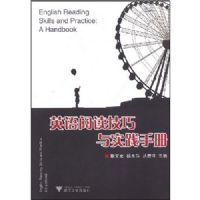
English Reading Skills and Practice: A Handbook is a skills textbook for Englishmajors as well as non-English majors. The authors believe that reading is an active, problem-solving process. This handbook is based on the theory that proficient reading requires thecoordination of a number of skills. Proficient reading depends on the reader's ability to selectthe proper skill or skills to solve each reading problem. Efficient readers determine beforehandwhy they are reading a particular selection and how they decide which strategies and skillsthey will use to achieve their goals. They develop expectations about the kinds of informationthey will find in a passage and read to determine if their expectations are correct. Theexercises and readings in the handbook will help students to become independent, efficientreaders.
The handbook contains nineteen chapters, with three sections in each. Basic reading skillis introduced in the first section of each chapter and reinforced throughout the book. The largenumber of exercises presented in the second section supply students with chances to practicein these skills repeatedly. Students should not be discouraged if they do not finish eachexercise, or if they have trouble answering specific questions, or they do not understandeverything in a particular reading. The third section consists of longer, more complex readings.The purpose of the tasks in the handbook is to help students to enlarge their vocabulary, widentheir scope of knowledge and improve their reading comprehension. For this reason, theprocess of attempting to answer a question is often as important as the answer itself.
The handbook contains exercises which supply students chances to practice in bothlanguage and reading skills.
Merely knowing the reading skills in this handbook is far from enough. Students shouldbe frequently reminded and encouraged to apply the skills in their own reading. Exercises arerecommended to make sure what they have read is correct.
English Reading Skills and Practice: A Handbook is specially designed for Chinesestudents. Each of the skills has been proven effective and helpful in teaching practice.However, one has to bear it in mind that reading skills are not grasped until he/she knows howto put them into use in their own action of reading.
Reading is inseparable from writing. What one learns from this handbook can be of great help if he/she uses them in their writing assignments. Students should be encouraged to apply the skills they acquire from reading in their practice of writing.
Have you ever met with such a situation: some people casually say, "Oh, that book?It took me four hours to finish," while you have spent a whole week finishing the firstchapter of the same book? Do you feel unfair or even hate them? To these people, readingseems effortless, however, they aren't born different. Nor do they have a different type ofbrain. They just read in a different way which you can also learn. This is the main aim ofthe book. It tries to make practical suggestions for your reading in English. To Chinesestudents, reading is also a vital way to learn English. Reading ability can promote otherlanguage abilities. In the first chapter, the definition of reading and the factors influencingreading speed will be discussed. It is quite likely that you have never given muchconsideration to the processes of reading. So we hope you to reflect on your ways in reading.After all, being consciously aware of your ideas about reading is the first step towardsidentifying places where you can improve your skills and hence performance.