先读为快
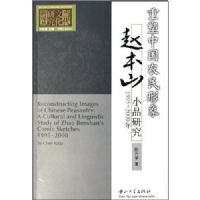
传统中国文化作品中的农民形象多是负面的。而赵本山1995~2000年间在央视春节联欢晚会上演的系列小品,从正面的角度全面重塑了中国农民形象,具有重要的文化意义。本书运用后殖民研究、话语-权力、大众文化、话语权、弱势群体研究等文化研究理论,以及语用学中的话语幽默、认知语境、关联等理论,对赵本山等人通过小品塑造中国农民形象这一文化现象进行了研究。
作者简介
陈开举,男,土家族,博士,副教授,硕士生导师,1969年生于湖北省巴东县。现任教于广东外语外贸大学。1991年毕业于华中师范大学英语系,获英语语言文学学士学位;1994毕业于广州外国语学院,获语言学与应用语言学专业硕士学位;2006年毕业于广东外语外贸大学,获语言与文化专业博士学位。主要研究方向:文化研究、语用学、英语教学。近年来已在《现代外语》等多种学术刊物上发表论文二十余篇,编写教材两部。
目录
Introduction: Interrogating Images of Chinese Peasantry
I Chinese Peasantry Presented in Traditional Chinese Culture
1 Images of Peasantry in The Four Books
2 Images of Peasantry in Chinese Idioms/Fables
3 Images of Peasantry in Other Literary Works
4 Literature on Peasants' Insurgence
5 Images of Peasantry in Popular Culture
II Power in Popular Culture and Branding Characteristics
1 Current State of Cultural Studies
2 Mechanisms of Popular Culture
(1) Language
(2) Contradictions and Complexity
(3) Conformity versus Subversion
(4) Humor, Guerrilla Strategy, and Appropriation
(5) Setting, Context, Theme
3 A Brief Account of Zhao Benshan's Comic Sketches
III Methodology
IV Structure
V Selection
Chapter One: Articulating for the Chinese Peasants
I Power and Representation: Images and Stereotypes
II Zhao's CSs as Power Front for the Peasants
III Significant Themes of Zhao' s CSs
1 Aspects of Amelioration and Brightness of Peasant Life
2 Unfavorable Images of Peasants
IV General Strategies in Zhao's CSs
Chapter Two: The Linguistic Complexity
I Dialect and Colloquialism: Micro Narration for
Macro Culture
II Humor: Shortcut in Confrontations
III Tones, Intonation, and Purposeful Misuse of Language
IV Governing Principle: Relevance
V Linguistic Power: Driving Toward the Goal
Chapter Three: Cultural Ambivalence
I Contexts: Ideological and Cultural Implications
II Conformity: Endorsing Ontological Ideologies
III Subversion: Empowering the Powerless
IV Romanticizing the Margins
Chapter Four: Can the Chinese Peasants Speak?
I Preconditions for Effective Articulation:
Language and Knowledge
II Can the Chinese Peasants Speak?
III Can Zhao Speak for the Chinese Peasants?
laslon
Bibliography
References in English
References in Chinese
Major Films and Websites
Appendix A: Three of the Quoted Fables and Idioms
I The Foolish Old Man and the Wise Man
II The Farmer Who Abandoned His Cattle
III The Rich Man Who Wanted One More Sheep
Appendix B: A Brief CV of Zhao Benshan and His
Major Works
Appendix C: Scripts for Four of Zhao's Comic Sketches
I红高粱模特队 (1997)
(Red Sorghum Models)
II 拜年 (1998)
(Spring Festival Call)
III 昨天、今天、明天 (1999)
(Yesterday, Today, and Tomorrow)
IV 钟点工 (2000)
(Odd Job)